Lennox-Gastaut syndrome diagnosis
 Fact-checked by
 Finding a clear answer for establishing a Lennox-Gastaut syndrome (LGS) diagnosis involves more than just identifying a single cause. Because LGS is a syndrome — a specific collection of signs and symptoms — doctors look for a “clinical triad” of seizure types, developmental challenges, and unique brainwave patterns.
LGS is a severe form of childhood epilepsy known for recurrent seizures and developmental delays. Because these symptoms can change as a child grows, the road to a diagnosis can be complex and sometimes difficult.
However, achieving an early and accurate LGS diagnosis is a vital turning point. It allows medical teams to move past general seizure management and build an individualized treatment plan tailored specifically to the child’s neurological needs.
Key signs doctors look for
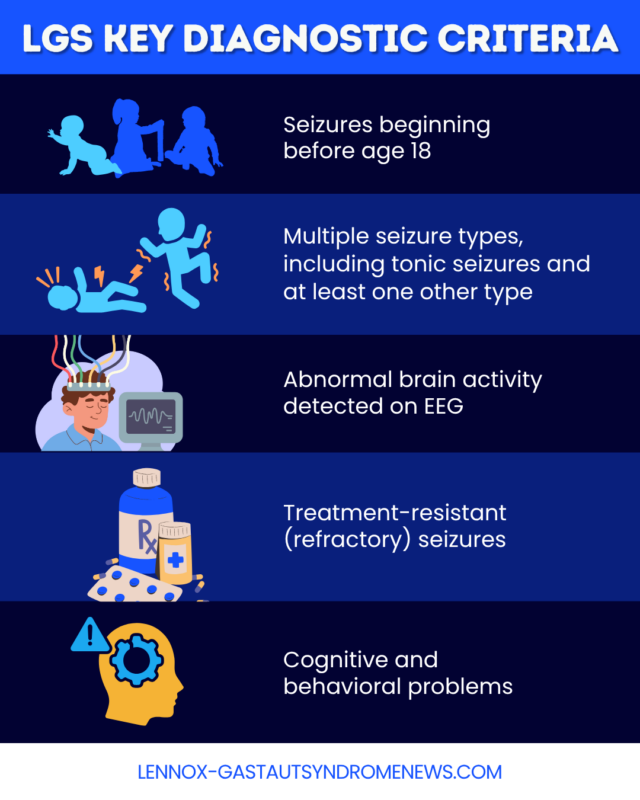
To determine if a patient meets the LGS diagnostic criteria, clinicians look for a specific cluster of symptoms. While every child’s experience is different, the diagnosis typically centers on these key markers:
- Early onset: Seizures that begin before the age of 18, usually during early childhood
- Multiple seizure types: This must include tonic seizures (muscle stiffening) alongside at least one other type, such as atonic (drop attacks) or atypical absence seizures
- Abnormal brain activity: Unique electrical patterns on an electroencephalogram (EEG)
- Treatment-resistant (refractory) seizures: Seizures that do not respond well to standard anti-epileptic medications
- Cognitive and behavioral challenges: Issues such as developmental delays or learning difficulties
It is important to note that these pieces of the puzzle don’t always appear at once. Cognitive and behavioral problems may not be obvious when the seizures first begin, and “refractoriness” — the realization that medications aren’t working — takes time to identify. Because these features evolve, doctors may monitor a child closely over several months to confirm the diagnosis and ensure the most effective care.
Seizures beginning in childhood
While LGS seizures can begin at various times, they most often emerge during early childhood, typically between the ages of 2 and 5.
It is very common for children to have a different early childhood epilepsy diagnosis in their first year or two of life, such as infantile spasms, that later evolves into LGS as the brain develops. Because of this progression, receiving an early-onset epilepsy diagnosis means that regular follow-up with a specialist is crucial. These ongoing check-ups allow doctors to monitor for the specific brain activity patterns or changes in seizure types that signal the transition to LGS, ensuring that treatment remains effective and proactive.
Multiple seizure types
Because LGS is a syndrome, the diagnosis relies heavily on identifying specific patterns of movement and brain activity. While every child’s journey is unique, different individuals experience different types of seizures in LGS.
LGS diagnostic criteria require the presence of tonic seizures and at least one other seizure type. The most common seizures include:
- tonic seizures: These cause the muscles to suddenly become stiff or tense. They are a “must-have” for diagnosis, but a tonic seizure diagnosis can be tricky because these episodes often happen exclusively while the child is asleep.
- atonic seizures: Also known as “drop attacks,” these occur when muscles suddenly go limp, often causing a child to fall. Diagnosing atonic seizures frequently depends on parents providing detailed written descriptions or video recordings of these brief episodes.
- atypical absence seizures: During these events, a child may stare blankly into space or make subtle, repetitive movements. An atypical absence seizure diagnosis is often challenging because the symptoms are so mild that they can be mistaken for daydreaming.
To bridge these gaps, doctors use a combination of in-clinic testing and at-home monitoring. By reviewing videos or logs of a child’s home activity, medical teams can catch subtle or nighttime signs that might be missed during a standard office visit.
Abnormal brain activity
Brain activity abnormalities in LGS often occur during sleep and between seizures. An EEG is required to identify these abnormal patterns of brain activity.
Refractory seizures
Seizures in LGS are often refractory, meaning they don’t respond well to standard medical treatments. While clinical suspicion may arise early, confirming the diagnosis of a refractory epilepsy syndrome like LGS can take time, while clinicians assess responses to multiple therapies.
Non-seizure symptoms
Doctors typically look for cognitive and behavioral problems, which often occur in LGS, although these symptoms aren’t strictly required for diagnosis.
Known underlying causes of LGS, such as brain injuries and genetic disorders, can contribute to both developmental delays and seizures. In addition, seizures themselves can affect brain health, exacerbating these non-seizure symptoms.
Tests used to diagnose LGS
Because there is no single LGS diagnostic test, doctors piece together evidence from several different tests to confirm the condition.
Commonly used tests include:
- EEG: This is the only test strictly required for an LGS diagnosis. An EEG in LGS looks for two key abnormal patterns of brain activity: slow spike-and-wave discharges (usually occurring while awake) and generalized paroxysmal fast activity (often appearing during sleep). Seeing both patterns together strongly supports a diagnosis.
- MRI scans: These are used to get a clear picture of the brain’s physical layout. While an MRI isn’t needed to “prove” a child has LGS, it is vital for spotting structural abnormalities like old injuries or developmental issues that might be triggering the seizures.
- genetic testing: Since many cases are linked to DNA changes, doctors may use whole genome sequencing to scan a child’s entire genetic code. This helps identify specific genetic mutations that cause epilepsy or rule out other similar syndromes.
- metabolic and lab tests: Blood, urine, or spinal fluid samples can help doctors rule out infections or inherited metabolic disorders that prevent the body from processing energy correctly, which can sometimes mimic or cause LGS symptoms.
By combining these results, the medical team can move from observing seizures to understanding the specific biology of a child’s condition.
Why LGS can be hard to diagnose
Confirming a diagnosis is rarely straightforward because LGS is a dynamic condition that changes as a child grows. Several factors can complicate epilepsy syndrome identification and make LGS difficult to diagnose, including:
- shifting timelines: LGS symptoms don’t always appear all at once. A child might start with one type of seizure, only to develop other types of seizures or other characteristic features of the disease months or years later.
- mimicking other conditions: Many symptoms of LGS, such as developmental delays or certain seizure types, mimic other neurological conditions. This requires doctors to perform a differential diagnosis, a meticulous process of ruling out other similar forms of epilepsy to ensure LGS is the correct diagnosis.
- hidden seizures: Because tonic seizures often happen during sleep and atypical absence seizures can look like simple daydreaming, they are frequently underreported or missed entirely.
- medical specialization: General pediatricians may not see LGS often enough to recognize its subtle early signs.
Because of these complexities, many families find that the diagnostic process moves faster when working with a pediatric neurologist or an epileptologist (a neurologist who specializes in epilepsy). These specialists are trained to spot the subtle evolution from an earlier seizure disorder into LGS. They have the expertise to distinguish LGS from similar syndromes, ensuring that the child starts the most effective treatment plan as early as possible.
What to expect during the diagnosis process
Because LGS is a progressive condition, doctors rely heavily on a patient’s seizure history to see how symptoms have changed over time. A parent’s observations about their child are among the most powerful tools for establishing a diagnosis.
Tracking the frequency and specific features of seizures, such as what time of day they occur, how long they last, and what the child’s body does, provides a real-world look at the condition that a short office visit cannot. When combined with EEG results, this data helps clinicians determine whether a patient truly meets the LGS diagnostic criteria.
Unfortunately, diagnostic delays and misdiagnoses are not uncommon in LGS. This often happens because:
- the transition from a previous epilepsy syndrome can be “blurry”
- abnormal brain activity patterns may not appear every time a test is run
- cases with no clear underlying cause (cryptogenic LGS) can be harder to categorize initially
To reduce these delays, involving a pediatric epileptologist early on is key. These specialists are trained to recognize the specific evolution of LGS and can help streamline the process, moving the child more quickly toward a targeted treatment plan.
After diagnosis
Once a diagnosis is confirmed, the focus shifts from finding answers to building a comprehensive roadmap for the future. Managing LGS requires a strategy that covers daily seizure treatment, emergency protocols, and long-term supportive care.
Supportive therapies, diet, and behavioral interventions can also help improve quality of life and ease the burdens associated with LGS.
Patients often thrive when supported by a multidisciplinary team tailored to their specific needs, including:
- medical specialists: Pediatricians, neurologists, and epileptologists manage medications and seizure control.
- dietary and physical support: Dietitians oversee specialized therapies like the ketogenic diet, while physical, occupational, and speech therapists help children navigate developmental delays.
- emotional and practical guidance: Counselors and social workers support the family’s mental health, while special education teachers ensure the child has an accessible learning environment.
While a treatment goal is freedom from seizures, the reality is that about 80%-90% of children with LGS will continue to experience seizures into adulthood. Many will also face moderate to severe intellectual disabilities that make independent living a challenge.
This makes transition planning a vital part of follow-up care. As children grow, caregivers and clinical teams can work together to bridge the gap between pediatric and adult medicine. By starting these conversations early, families can ensure that support systems, from medical records to social services, remain seamless as the patient transitions into adulthood.
Lennox-Gastaut Syndrome News is strictly a news and information website about the disease. It does not provide medical advice, diagnosis, or treatment. This content is not intended to be a substitute for professional medical advice, diagnosis, or treatment. Always seek the advice of your physician or other qualified health provider with any questions you may have regarding a medical condition. Never disregard professional medical advice or delay in seeking it because of something you have read on this website.