Lennox-Gastaut syndrome overview
 Fact-checked by
 Lennox-Gastaut syndrome (LGS) is a rare type of epilepsy characterized by developmental problems and multiple types of seizures. During a seizure, electrical activity in the brain suddenly becomes abnormal, causing symptoms that may affect the whole body.
LGS is a type of epilepsy that begins during childhood, usually between the ages of 2 and 5. In addition to seizures, many people with LGS experience behavioral problems and cognitive impairment.
The causes and symptoms of LGS vary among individuals, making the diagnostic process challenging. However, a prompt and accurate diagnosis is important to ensure children with LGS can begin receiving appropriate treatment.
Estimates of the prevalence of LGS vary broadly, with studies showing about 6 to 61 people per 100,000 have the condition. About 1% to 2% of all people with epilepsy and 3% to 4% of children with epilepsy have LGS.
Key features of LGS
In 2022, the International League Against Epilepsy published a position paper outlining what LGS is and defining its key features, including:
- seizures starting before age 18
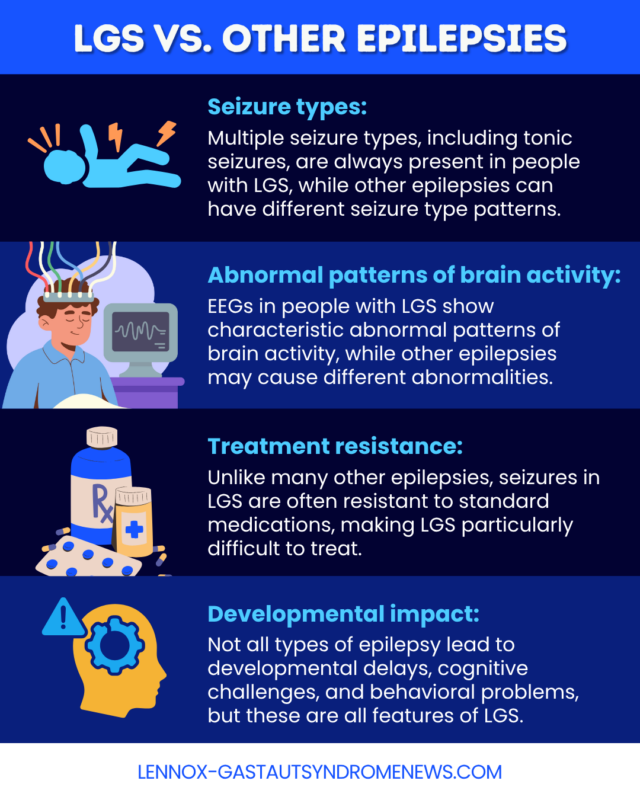
- multiple seizure types, including tonic seizures
- abnormal patterns of brain activity that can be detected on an electroencephalogram (EEG)
- poor response to seizure treatment
- cognitive and behavioral problems
There are several possible types of seizures in LGS. Tonic seizures are the most common and are considered a hallmark feature of the condition. During a tonic seizure, the muscles in the body become stiff or tense.
People with LGS also commonly experience atonic seizures, which cause sudden muscle limpness, and atypical absence seizures, which resemble short spells of staring into space.
Identifying distinctive abnormal patterns of brain activity in an EEG is important for diagnosing LGS and differentiating it from other childhood epilepsy syndromes.
Signs of LGS include both epilepsy and developmental delays, and the two elements are interconnected. Underlying brain injuries or diseases that cause seizures may contribute to cognitive and behavioral problems, and recurrent seizures can exacerbate them further.
Causes
In about 60%-70% of cases, there is an identifiable event, injury, or disorder that sets the stage for LGS to develop. In the remaining cases, the exact cause of LGS is unknown.
Common known causes of LGS include:
- genetic factors: genetic mutations or inherited conditions
- developmental problems: problems with brain development before birth
- injuries: brain injuries before, during, or after birth
- other conditions: certain infections, tumors, or other types of epilepsy
Mutations in several epilepsy-related genes have been linked to LGS. Additionally, certain genetic disorders that affect brain function can lead to LGS.
Problems during fetal development may disrupt brain structure and give rise to seizures and LGS. Brain injuries and diseases that can damage the brain early in life, such as certain infectious disorders or tumors, can also cause LGS.
Other types of early childhood epilepsy may also evolve into LGS.
Diagnosis
LGS diagnosis involves identifying key disease features and ruling out other conditions that could cause similar symptoms.
The main requirements for diagnosis are epilepsy with multiple seizure types starting during childhood and characteristic patterns of abnormal brain activity detectable on an EEG. While developmental delays and cognitive impairments are also key features of LGS, they are not required for diagnosis, because they may emerge later for some patients. LGS is also marked by seizures that commonly resist treatment (refractory), but this may not be evident at the time they first start.
After thoroughly reviewing a patient’s medical history, doctors may use several tests to help diagnose LGS, including:
- EEG: to determine whether characteristic abnormal patterns of brain activity, including slow spike-and-wave discharges and generalized paroxysmal fast activity, are present
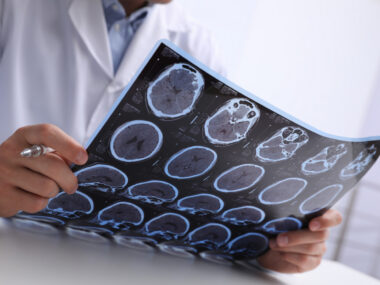
- brain imaging scans: to identify structural abnormalities in the brain that may be potential causes of LGS
- genetic testing: to find potential genetic causes of LGS and rule out other rare epilepsy syndromes with a genetic origin
- other lab tests: to identify potential underlying causes of LGS and rule out other conditions
The timeline for diagnostic testing depends on symptoms and available testing resources. Involving pediatric epilepsy specialists may help streamline the process.
Treatment and management
LGS is a drug-resistant epilepsy that is difficult to treat, and complete seizure control isn’t always possible. However, an individualized care plan can help limit seizure activity, reducing the frequency and severity of episodes or lowering the risks of complications.
A multidisciplinary approach to LGS treatment may include:
- anti-seizure medications (ASMs)
- dietary therapies
- medical devices and surgical interventions
- supportive therapies
Most people with LGS take a cocktail of multiple ASMs, each with different strengths and drawbacks, to help control seizures. There are several ASMs specifically approved to treat LGS, but others that are approved for different seizure conditions can also be used off-label.
The classic ketogenic diet and its variations, which are high in healthy fats and low in carbohydrates, can reduce seizure activity for many people with LGS. These diets are largely safe, but can be challenging to maintain, particularly for children with behavioral problems.
Medical devices and surgeries are options for some people with LGS, especially if other treatments aren’t successful. Vagus nerve stimulation, deep brain stimulation, and responsive neurostimulation use devices to electrically stimulate nerves or parts of the brain to help control seizures. Surgeries to remove or disconnect parts of the brain may also be used in some cases to prevent seizures from spreading or occurring.
Supportive therapies, including physical, occupational, and speech therapy, as well as behavioral and educational interventions, can also help manage non-seizure LGS symptoms and improve quality of life.
Living with LGS
LGS is typically a severe and lifelong condition. About 80%-90% of children have seizures that persist into adulthood, and many continue having moderate or severe intellectual disabilities.
Seizures can increase the risk of life-threatening complications and, together with developmental delays, sleep disruptions, and other non-seizure symptoms, can significantly affect daily life.
Care requirements, including assistance with moving, eating, and going to the bathroom, are often substantial throughout life. Children often require special education and supportive therapies to help with school and social development. Many adults with LGS may also be unable to live independently and may struggle to lead a healthy social life.
However, outcomes can vary among individuals, and personalized, multidisciplinary care may improve quality of life and the overall prognosis of LGS.
Caregivers and families may also require emotional support and help with managing LGS on a day-to-day basis. Several organizations provide support for epilepsy patients and caregivers, including the LGS Foundation and the Epilepsy Foundation.
Lennox-Gastaut Syndrome News is strictly a news and information website about the disease. It does not provide medical advice, diagnosis, or treatment. This content is not intended to be a substitute for professional medical advice, diagnosis, or treatment. Always seek the advice of your physician or other qualified health provider with any questions you may have regarding a medical condition. Never disregard professional medical advice or delay in seeking it because of something you have read on this website.