Brain surgery cuts seizures by half in nearly 70% of LGS cases, analysis finds
Procedure severs the nerves between brain's two hemipshperes
Written by |
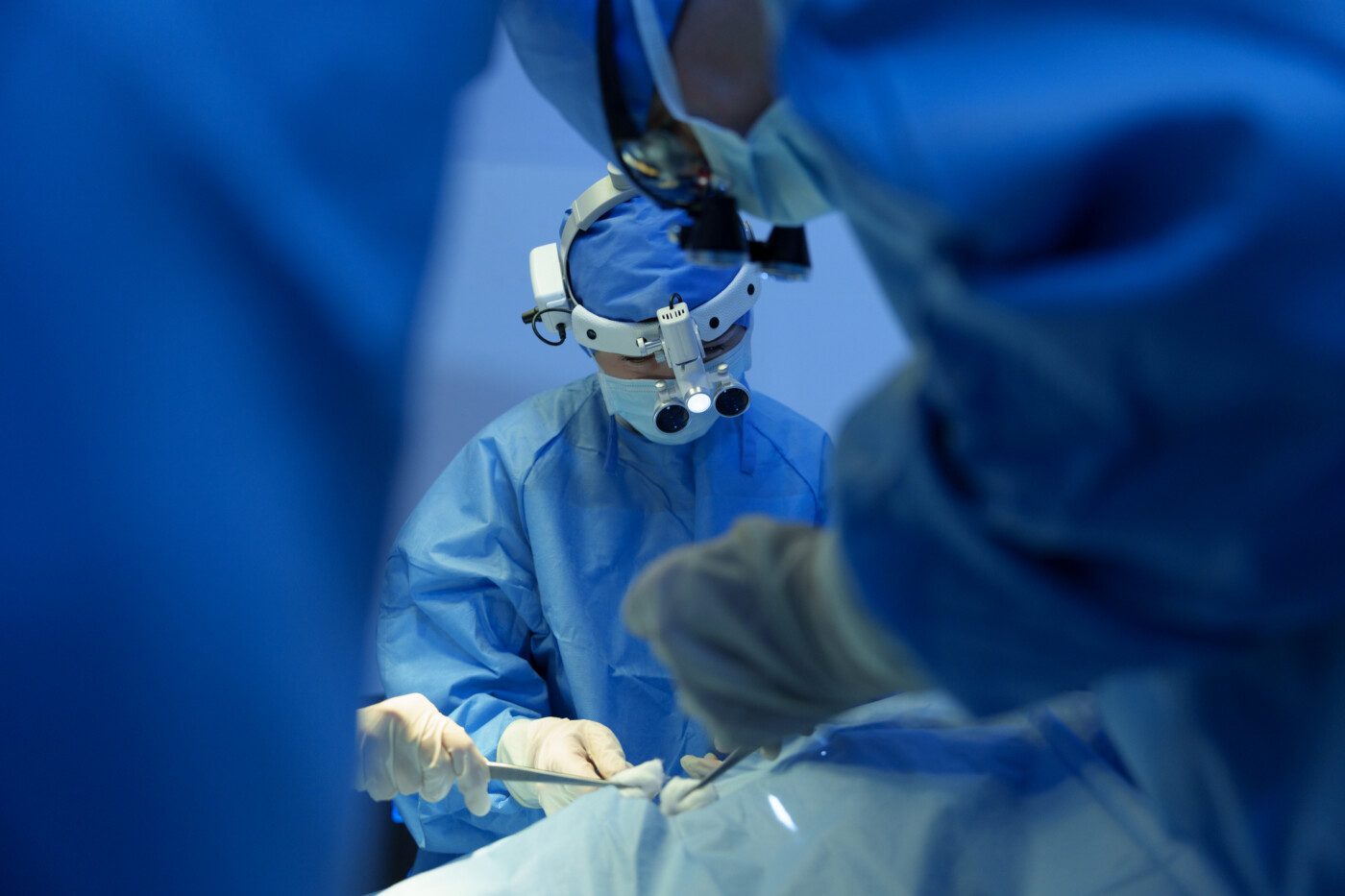
About 70% of people with Lennox-Gastaut syndrome who underwent a corpus callosotomy achieved at least a 50% reduction in seizures, according to a pooled analysis of studies. (Photo from iStock)
About 70% of people with Lennox-Gastaut syndrome (LGS) who underwent a corpus callosotomy, a surgical procedure to sever the nerves that connect the brain’s two hemispheres, achieved at least a 50% reduction in seizures.
This is according to a pooled analysis of published studies, which also found that one in five LGS patients was seizure-free after surgery, and that older age at surgery independently predicted a better seizure response.
Across seizure types, atonic seizures, also called drop seizures, which are marked by a temporary loss of muscle control, were the most responsive type, with improvement rates of up to 100%.
Researchers called for “prospective multicenter studies with standardized patient selection and outcome assessment to strengthen the evidence base and enable comparison with other treatment approaches in LGS.”
The study, “Corpus callosotomy in Lennox-Gastaut syndrome: Effectiveness, safety, and predictors of outcome: A systematic review and meta-analysis,” was published in Epilepsy Research.

Nonmedicinal therapies often needed in LGS
LGS is a severe developmental and epileptic encephalopathy, a condition in which seizures and the underlying disorder affect brain development and function. It’s characterized by multiple seizure types that don’t respond to medication, cognitive and behavioral problems, and distinctive patterns on electroencephalogram (EEG) tests, which record the brain’s electrical activity.
Because of drug resistance and the negative effects of antiseizure medications on cognition and behavior, nonpharmacological therapies are often needed.
Corpus callosotomy is a surgery that disconnects part or all of the corpus callosum, the thick bundle of nerve fibers connecting the brain’s left and right hemispheres.
However, no meta-analyses — a statistical method that pools results from several studies — have examined the effectiveness and safety of corpus callosotomy in people living with LGS.
Therefore, a team of U.S.-based researchers pooled results from 48 studies involving 822 LGS patients across 19 countries.

20% of patients achieved freedom from seizures
According to the meta-analysis, 69.6% of patients had a seizure reduction of at least 50%. Heterogeneity (variation in results between studies) was low to moderate.
In addition, 38.2% of patients had at least a 75% reduction in seizures, while 20.4% achieved seizure freedom.
In a statistical analysis, older age at surgery was the sole significant factor associated with a greater likelihood of achieving a seizure reduction of at least 50% (after accounting for age at seizure onset, age at surgery, follow-up duration, surgical extent, and surgical approach).
Drop seizures, marked by a temporary loss of muscle control, were consistently the most responsive type, with improvement rates of 71% to 100% across seven studies. In one study, all 16 patients became free of drop attacks after surgery.
Tonic seizures, marked by sudden muscle stiffening, responded inconsistently, with improvement rates of 78% to 82% in two studies and none in another. Generalized tonic-clonic seizures, marked by a sudden loss of consciousness, body stiffening, and rhythmic muscle jerking, were reduced in 57% to 69% of patients.
Myoclonic seizures, which feature brief, shock-like muscle jerks or twitches lasting a fraction of a second, showed no reductions in one study and 64% in another. Lastly, focal seizures, which range from sudden muscle jerking to strange sensory changes, were reduced in 40% of patients in one study and worsened in at least four studies.
Individual studies showed improvement in intellectual abilities
Outcomes not related to seizures could not be pooled because the studies used different instruments, and many patients had severe intellectual disability. Still, individual studies showed improvements in several outcomes, including cognitive and intellectual abilities, stabilized behavior, attention, and quality of life. For a few patients, however, cognitive abilities and quality of life declined.
EEG showed disruption of nerve signals between hemispheres (secondary bilateral synchrony), a hallmark of the surgery’s effect, in 75% of patients in one study and 85% in another. Complete EEG normalization occurred in 10.5% of patients in one study.
By surgical approach, the minimum 50% seizure reduction rate was 68% for open surgery, 71% for laser-assisted surgery, and 97% for endoscopic approaches, which use a thin tube with a light and camera. No meaningful reduction in antiseizure medication use was observed after surgery.
The pooled proportion of surgical complications was 15.8%. The most frequently reported events were infections, blood vessel injury, permanent neurologic deficit, worsening seizures, and status epilepticus, or prolonged seizure activity.
[Corpus callosotomy] is an effective palliative surgical option for patients with LGS, particularly for drop attacks, with approximately 70% achieving [at least] 50% seizure reduction across surgical approaches.
Acute callosal disconnection syndrome, caused by sudden damage to the corpus callosum, was reported in 95% of patients in one study. It’s marked by temporary mutism, loss of movement, urinary incontinence, or neglect of one side of the body. All resolved within a mean of 16 days.
Death attributable to surgery was rarely reported. One death from sepsis after prolonged intensive care was reported, and another from seizures at 2.5 months after surgery was considered disease-related rather than directly surgical.
“[Corpus callosotomy] is an effective palliative surgical option for patients with LGS, particularly for drop attacks, with approximately 70% achieving [at least a] 50% seizure reduction across surgical approaches,” the team concluded.